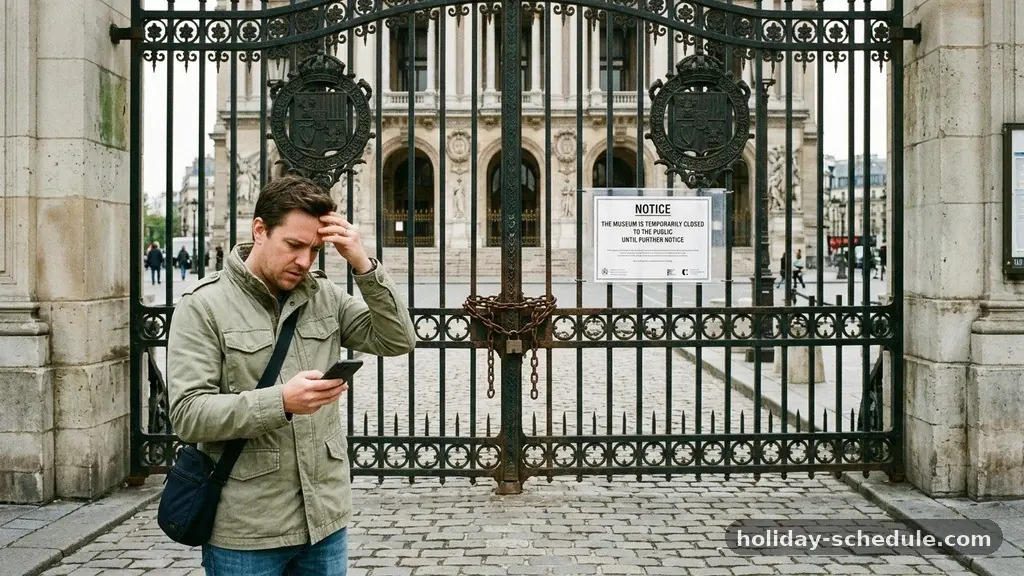
Understanding why official holiday calendars are worth checking before you travel can be the difference between a seamless vacation and an unexpected logistical nightmare. When you neglect to verify dates for national observances, you risk encountering shuttered museums, gridlocked transit, and inflated costs that can drain your budget.
By planning around these significant dates, you gain the ability to avoid overwhelming tourist crowds and ensure that essential services remain accessible throughout your stay. This proactive approach to travel planning transforms your experience, allowing you to engage with local cultures on your own terms rather than being forced to navigate the complications of a country-wide shutdown.
The Impact of Unexpected Closures
Many travelers assume that popular destinations remain open every day of the year, but this is rarely the case. When you arrive in a foreign city during a major public holiday, you might find that every shop, restaurant, and cultural site is closed for the day.
This phenomenon is particularly prevalent in nations where the government mandates strict adherence to bank holidays. Without prior research, you could find yourself wandering empty streets while searching for a basic meal or a cup of coffee.
Beyond the inconvenience of closed doors, these gaps in service often extend to critical infrastructure. Public transport schedules frequently shift to a Sunday or holiday timetable, which can leave you stranded if you have a tight connection.
If you are relying on buses or trains to reach a remote location, a lack of awareness regarding national observances could derail your entire itinerary. Checking these dates allows you to adjust your transit plans, perhaps choosing to travel on a different day to avoid the disruption entirely.
Navigating Peak Pricing and Availability
One of the most significant financial reasons that official holiday calendars are worth checking before you travel is the impact on your wallet. During major holidays, local families often travel to visit relatives or head to resort towns for a break.
This surge in domestic movement leads to significantly higher hotel occupancy rates and a rapid decline in flight availability. As demand skyrockets, travel providers inevitably increase their rates, leading to what many call peak pricing.
Booking your trip during these windows often means paying a premium for the same quality of service you would receive for far less during the off-season. For instance, a hotel room that costs $150 on a standard Tuesday might jump to $300 or more during a holiday weekend.
By cross-referencing your intended travel dates with an official calendar, you can identify these expensive windows. If your schedule is flexible, shifting your trip by just forty-eight hours can result in substantial savings that you can instead spend on experiences during your stay.
Understanding Cultural Events and Festivals
While some holidays cause closures, others act as gateways to vibrant, once-in-a-lifetime experiences. Regional festivals are often tied to specific national observances, offering a unique window into local customs that you would otherwise miss.
When you know exactly when these events occur, you can plan your trip to coincide with the festivities. This allows you to witness parades, traditional dances, and unique culinary offerings that define the local identity.
However, participating in these events requires careful planning to ensure your comfort. Popular festivals often attract massive crowds, which can make navigating the city center difficult and slow.
You might find that hotel prices are at their absolute peak, or that getting a reservation at a top-rated restaurant is nearly impossible. By checking the official calendar, you can decide whether you want to immerse yourself in the chaos of a celebration or avoid it entirely to enjoy a quieter, more relaxed visit.
Managing Administrative and Banking Needs
Travel often involves more than just sightseeing; sometimes, you have business to conduct. If you need to visit an embassy, a bank, or an immigration office, you must be aware of local public holiday schedules.
In many countries, these offices follow a strict calendar and will remain closed during national observances. Arriving at an office only to find a sign on the door can cause significant stress, especially if you have a visa or document deadline approaching.
The following table provides a general look at how different types of services are usually affected by public holidays in many major global destinations:
| Service Type | Typical Holiday Status | Impact Level |
|---|---|---|
| Museums and Sites | Often Closed or Limited | High |
| Public Transport | Reduced/Sunday Schedule | Medium |
| Supermarkets | Frequently Closed | High |
| Banks/Government Offices | Always Closed | Very High |
| Restaurants/Cafes | Variable/Local Dependent | Low to Medium |
The Importance of Local Customs
Beyond government-mandated closures, social etiquette plays a major role in how holidays are observed. In some cultures, specific holidays are deeply rooted in religious traditions that dictate how locals interact with visitors.
For example, during certain periods of fasting or reflection, public displays of eating or drinking might be discouraged or even restricted by local law. Checking the calendar helps you respect these local customs, ensuring you don’t inadvertently cause offense or find yourself in an uncomfortable situation.
When you research these dates, you also gain insight into the mood of the city. Some holidays are somber days of remembrance, where loud festivities would be considered inappropriate. Others are joyous celebrations where the entire population takes to the streets to dance and share meals.
Knowing the nature of the holiday helps you adjust your behavior and expectations, ensuring your presence is welcomed rather than intrusive. You can find reliable information on these events through resources like the official government holiday portal for the United States, which serves as a model for how countries track these dates.
Strategies for Effective Travel Planning
When you integrate holiday research into your initial travel planning, you create a much more robust itinerary. Start by identifying the primary country or region you plan to visit. Search for their official government portal or a reputable national tourism board website.
These sites almost always publish a list of public holidays for the current and upcoming year. Note these dates down immediately in your calendar app to ensure they remain visible throughout your booking process.
Once you have the list, consider how these dates align with your goals. If you are going on a business trip, try to avoid the days leading up to and following major public holidays, as many locals may take “bridge” days off, leading to a slower pace of work.
If you are traveling for leisure, look for the “in-between” periods where there are no major events. This strategy often yields the best value, as it avoids both the peak pricing of holidays and the closures that can frustrate your plans.
Common Mistakes to Avoid
One common mistake travelers make is checking the holiday calendar for their home country rather than their destination. A holiday in your home country might mean nothing in the country you are visiting, and vice versa. Always prioritize the destination’s local calendar.
Another error is assuming that a holiday is celebrated the same way everywhere. In some countries, a holiday might be celebrated nationwide, while in others, it is only observed in specific provinces or cities.
You should also be wary of “observed” holidays. If a holiday falls on a weekend, the government may designate the following Monday as a public holiday.
This is a common practice in many nations, and it can catch travelers off guard if they only look at the date of the holiday itself. Always check if a “day off in lieu” is being observed, as this will have the exact same impact on services and closures as the holiday itself.
Frequently Asked Questions
Do all countries observe holidays in the same way?
No, every country has its own unique set of public holidays based on its history, religion, and political system. While some dates like New Year’s Day are globally recognized, the vast majority of holidays are specific to the culture and region.
Does a public holiday mean everything will be closed?
Not necessarily, but it does mean that the standard rhythm of the city will be disrupted. While tourist attractions might remain open to cater to visitors, essential services like banks, post offices, and government buildings are almost certain to be closed.
Are hotels cheaper during public holidays?
Generally, the opposite is true. Because many people travel during holidays, demand for accommodation increases, which leads to higher hotel occupancy and, consequently, higher prices for rooms across the board.
How far in advance should I check holiday calendars?
You should check these calendars as soon as you begin your travel planning, ideally several months before your trip. This allows you enough time to adjust your dates if you discover a major holiday that could interfere with your plans.
Can I find information on regional festivals?
Yes, most national tourism board websites include a section for major events and festivals. These resources are excellent for discovering local celebrations that might not be listed on a standard government holiday calendar.
Conclusion
Taking the time to ensure that official holiday calendars are worth checking before you travel is a simple step with massive benefits. By staying informed about public holidays, regional festivals, and national observances, you protect yourself from the frustration of unexpected closures and the financial sting of peak pricing. This knowledge empowers you to design a trip that flows smoothly, allowing you to focus on the sights and experiences you traveled so far to see.
Whether you are aiming for a quiet getaway or a deep dive into local culture, your awareness of the calendar is your best tool for success. Start your next trip by checking the dates, and enjoy the peace of mind that comes with being truly prepared for your journey.